HSRP Plate Fine: Why Your Old Car Is Still at Risk
You booked your HSRP online months ago. You have the confirmation slip saved on your phone. So why did traffic police just issue you a challan?
This is happening to thousands of vehicle owners across India right now — and the reason is not what most people think.
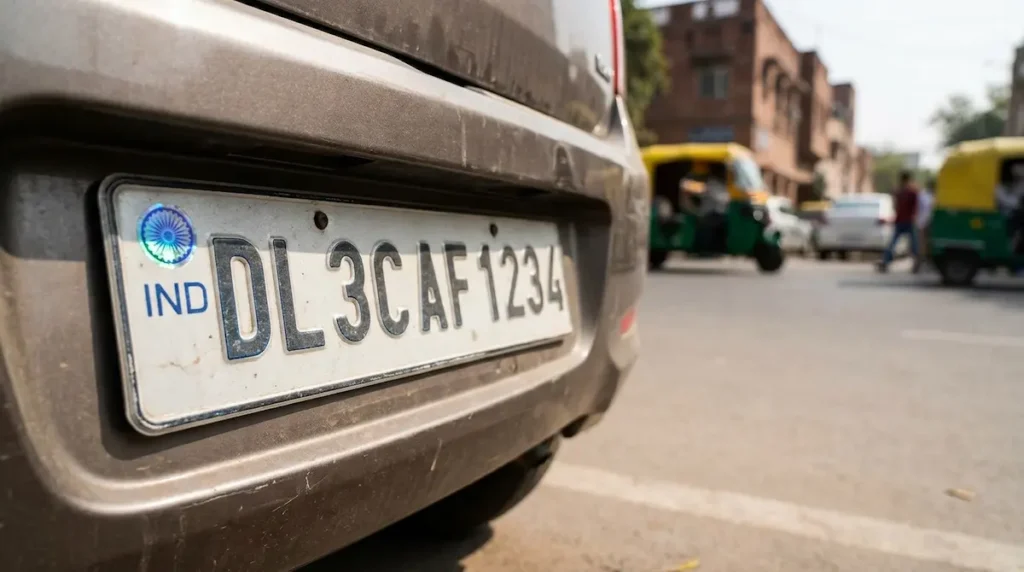
What HSRP Is and Why Old Vehicles Need It
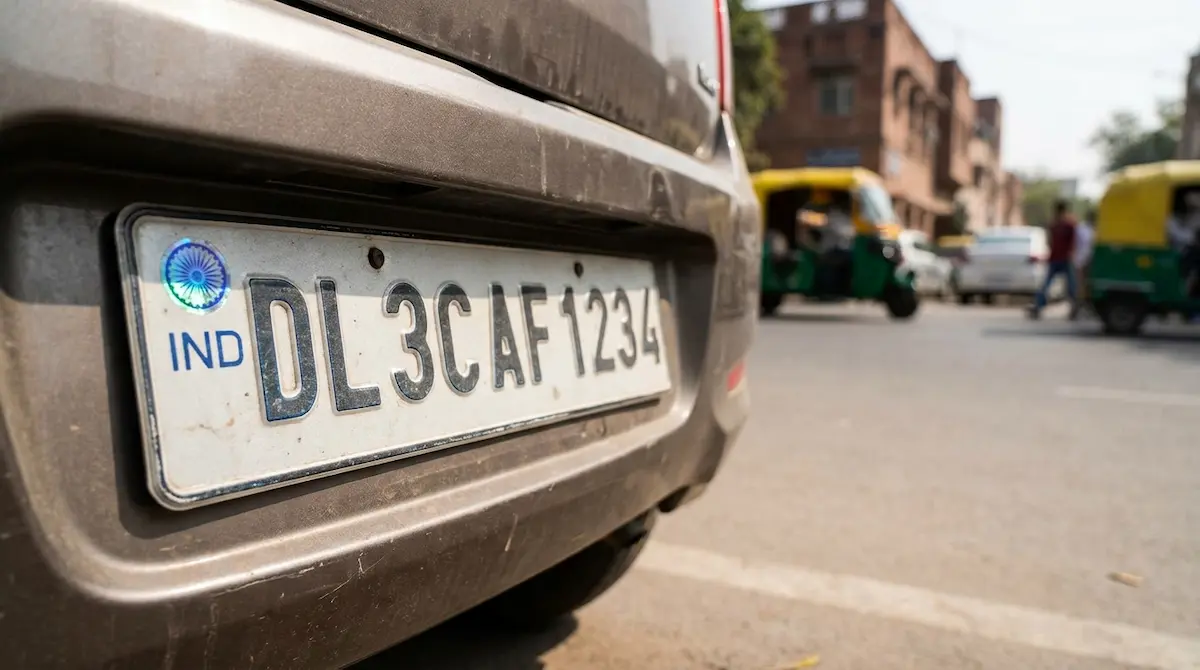
The High Security Registration Plate (HSRP) is an aluminium number plate mandated by the Ministry of Road Transport and Highways (MoRTH) under Rule 50 of the Central Motor Vehicles Rules (CMVR). It carries a chromium-based Ashoka Chakra hologram, a laser-etched 10-digit Permanent Identification Number (PIN), and engine and chassis details embedded directly into the plate.
Vehicles manufactured and registered after April 1, 2019 come with HSRP pre-fitted at the dealership. The problem — and the fine risk — sits entirely with vehicles registered before April 1, 2019. These older vehicles were sold with ordinary number plates, and owners must now retrofit an HSRP through an authorised fitment centre.
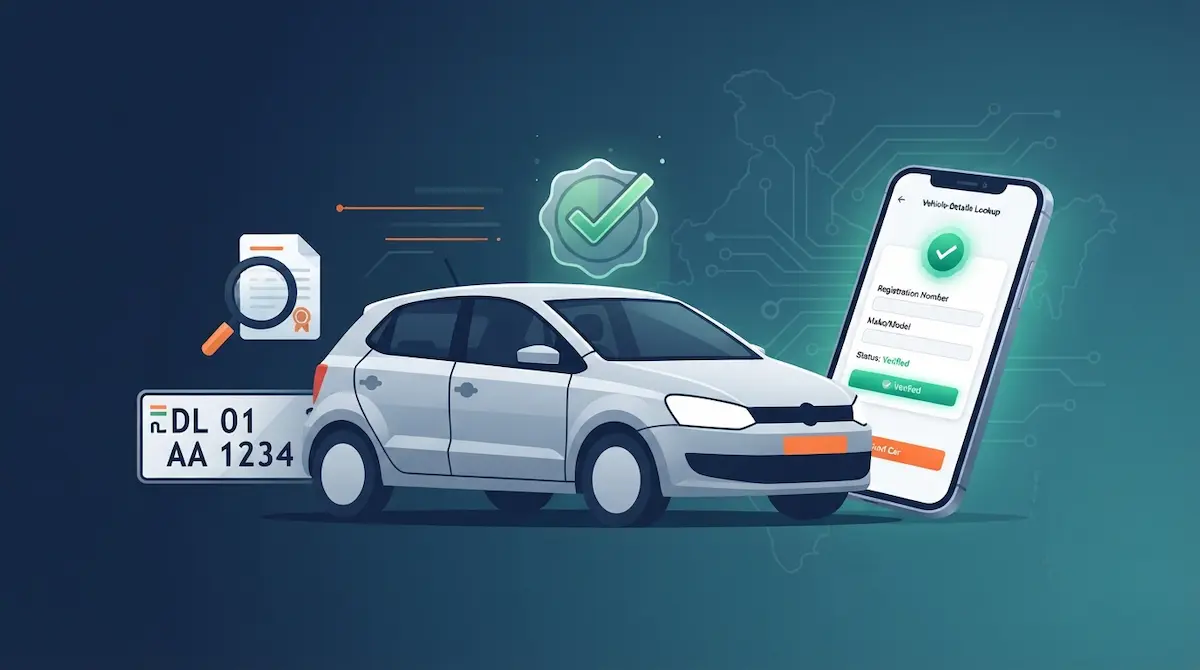
The HSRP is also linked directly to the VAHAN national database, which makes it traceable by ANPR cameras and eChallan systems in real time. A traditional number plate has no such connection.
Why “Applied Online” Is Not the Same as “Compliant”
This is where most vehicle owners get caught off guard.
Booking your HSRP on bookmyhsrp.com or a state transport portal means you have placed an order. It does not mean your vehicle is compliant. The plate must be physically fitted by an authorised installation centre before your vehicle is considered road-legal under the HSRP mandate.
The fitment process involves snap-lock non-removable rivets. Only authorised centres have the special tools required. Once fitted, the plate cannot be removed without visible damage — which is the whole point of its security design.
Until that physical installation happens, your vehicle is still non-compliant from an enforcement standpoint.
What Happens Between Booking and Fitment
After you book online, the plate is manufactured and couriered to your chosen fitment location. This typically takes 10 to 15 days. If your booking slot falls within that window, or if there is a supply delay, you may be driving for weeks with a valid booking but no fitted plate.
The One Thing That Can Save You From a Challan
Most states — including Delhi, Uttar Pradesh, and others with active enforcement — allow a specific exemption: if you show your HSRP booking slip or online confirmation receipt to traffic authorities at the time of checking, the challan is generally not issued.
This exemption is state-specific and not universal. Carry that booking slip every time you drive, either as a screenshot or a printed copy, until your plate is physically installed.
In Maharashtra, enforcement begins strictly from July 1, 2026, with a ₹1,000 fine per violation. The state extended its previous deadline of December 31, 2025, specifically because installation centres were overwhelmed. From July 1 onwards, the booking slip exemption is expected to be withdrawn for most violators.
State-Wise Fine Structure You Need to Know
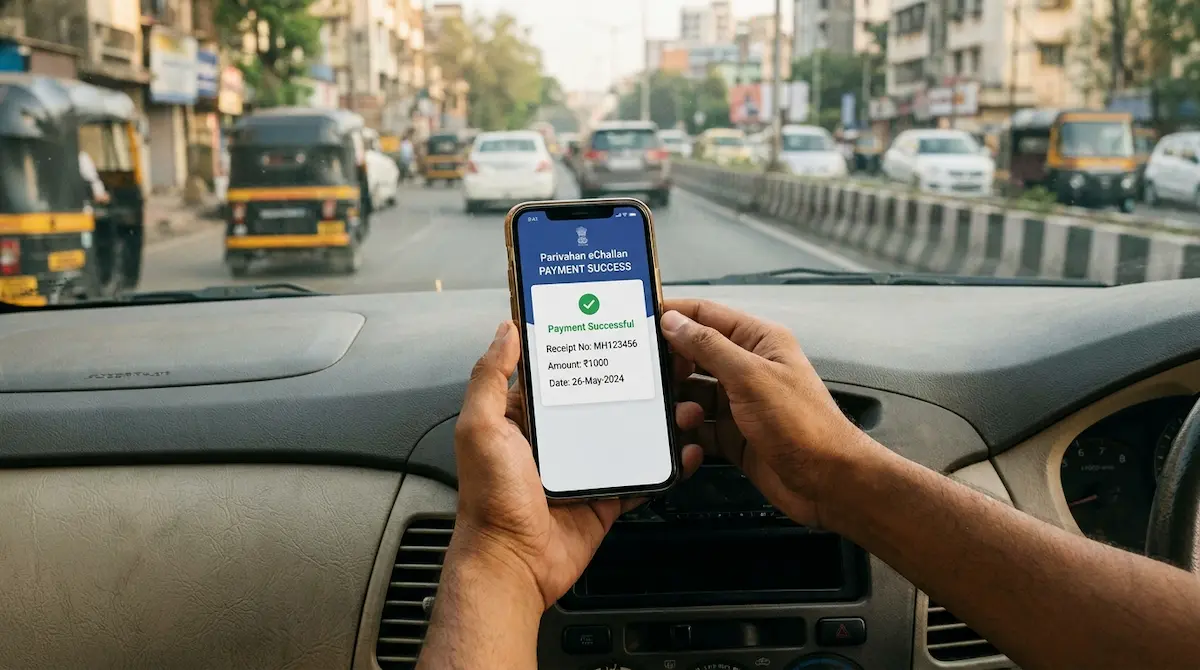
Fine amounts are not uniform. Each state determines its own penalty under the Motor Vehicles Act, 1988 (Section 192):
| State | First Offence | Repeat Offence |
|---|---|---|
| Delhi | Up to ₹5,500 | Higher penalties + eChallan |
| Uttar Pradesh | ₹5,000 | ₹10,000 + vehicle impound |
| Maharashtra | ₹1,000 per violation (from July 1, 2026) | Repeated fines each detection |
| Karnataka | ₹500 | ₹1,000 |
In UP and Delhi, vehicles can be impounded for repeat non-compliance and returned only after HSRP is fitted. The fine is separate from the release process.
Other Consequences Beyond the Challan
The fine is not the only risk. Driving without HSRP creates complications that follow the vehicle long after the traffic check:
- Ownership transfer blocked — RTO services including RC transfer and registration renewal can be withheld for non-compliant vehicles.
- PUC certificate issues — Some states are now linking HSRP compliance status to PUC (Pollution Under Control) certificate issuance.
- Lower resale value — Buyers checking vehicle history on the VAHAN portal can see compliance status. A vehicle without HSRP is a negotiation liability.
- Insurance claim complications — Non-compliance with mandatory MoRTH rules can be cited by insurers in certain claim scenarios.
How to Apply for HSRP Right Now
The process is straightforward:
- Visit bookmyhsrp.com (central portal) or your state transport authority’s dedicated HSRP portal.
- Select your vehicle type — two-wheeler, three-wheeler, or four-wheeler.
- Enter your registration number, chassis number, and engine number exactly as they appear on your RC. Any mismatch causes rejection.
- Select the nearest authorised fitment centre and book a date slot.
- Pay the applicable fee online — typically around ₹1,100 for four-wheelers, varying by state.
- Attend your appointment with your vehicle and original RC.
The colour-coded fuel sticker (light blue for petrol/CNG, orange for diesel) is issued alongside the plate. Booking both together is recommended and usually offered as a combined option.
If Your Vehicle Is Registered in a Different State
This is a common issue for people who have relocated. HSRP issuance is tied to the RTO where the vehicle was originally registered. You cannot get an HSRP from a different state’s system.
Your two options are: travel back to the registration state and get the plate fitted there, or transfer the vehicle registration to your current state by paying applicable road tax, after which the new state RTO can issue the HSRP.
Bottom Line
Booking your HSRP is step one. It does not protect your vehicle from fines until the plate is physically fitted by an authorised centre. Keep your booking slip on you until fitment is complete. Check your state’s current enforcement deadlines — especially if you are in Maharashtra, Delhi, or UP, where enforcement is active and escalating in 2026.
The VAHAN database is now integrated with ANPR camera systems and eChallan infrastructure across major cities. Detection is no longer limited to manual checking at nakas. Book your slot, attend the appointment, and close this compliance gap before it costs you.